Hilton Serif: A Warm Typeface for Makers
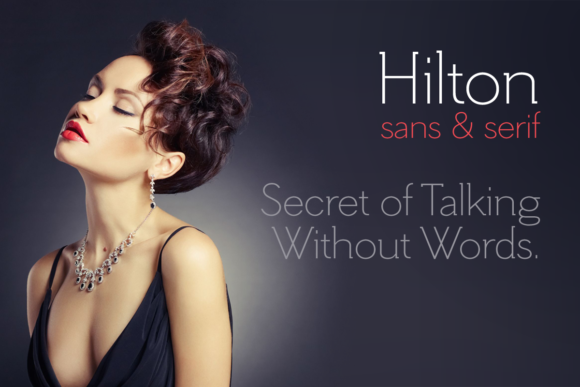
The late afternoon light was streaming across my workbench, illuminating a stack of kraft paper tags and a fresh roll of matte vinyl. I had just finished pouring a small batch of soy candles, scented with dried lavender and vanilla bean, and I needed a label that felt as gentle and inviting as the scent itself. I scrolled through my library, bypassing the bold, blocky options and the overly ornate scripts that often prove difficult to cut on my machine. Then, I landed on Hilton Serif. It wasn’t just a font; it was the missing piece of the puzzle. As I typed out "Lavender & Vanilla," the letters seemed to settle onto the digital canvas with a quiet confidence. There is something special about thin fonts, and Hilton Serif captures that delicate balance perfectly. On one side, there is a sensitive, charming, and warm touch; on the other, an uncompromising clarity that ensures legibility even at smaller sizes.
For those of us who create with our hands—whether we are designing wedding invitations, cutting stickers for planners, or branding a small boutique—typography is more than just text. It is the voice of our product before the customer ever touches it. Hilton Serif, published by Juraj Chrastina, has become a staple in my design toolkit because it bridges the gap between modern minimalism and traditional elegance. It is classified broadly within the world of display fonts, yet its versatility allows it to function beautifully in various commercial craft applications.
Bringing Elegance to Handmade Labels and Packaging
One of the most common challenges for handmade sellers is creating packaging that looks professional without overpowering the artisanal nature of the product. When I applied Hilton Serif to my candle labels, the result was immediate and striking. The thin strokes of the typeface allowed the natural texture of the label paper to show through, creating a sense of airiness and sophistication. Unlike heavier serif fonts that can feel imposing, this typeface whispers. It suggests quality and care, which is exactly the emotion I want my customers to feel when they unbox their purchase.
This appeal extends beyond candles. Imagine using Hilton Serif for boutique clothing tags, where space is limited but impact is essential. The font’s clean lines ensure that care instructions and brand names remain readable, even when printed on small, rectangular tags. For soap makers, the font pairs beautifully with simple botanical illustrations, allowing the imagery and the text to coexist harmoniously. In packaging design, consistency is key to building brand identity. By using Hilton Serif across different product lines—from jar labels to tissue paper stamps—I create a cohesive visual language that customers begin to recognize and trust.
Versatility in Stationery and Wedding Design
Wedding stationery demands a specific emotional resonance. Couples are looking for designs that feel personal, romantic, and timeless. Hilton Serif excels in this arena, particularly for save-the-dates, menu cards, and place settings. Its serif structure provides a classic foundation, while its slender proportions give it a contemporary edge. I recently designed a set of minimalist wedding invitations where the couple’s names were rendered in Hilton Serif. The result was understated yet undeniably elegant. It didn’t scream for attention; instead, it invited the reader in.
For greeting card designers, this font offers a wonderful opportunity to experiment with layout. Because it is a display serif, it shines when used for short phrases, titles, or names. However, its readability is surprisingly robust. I have used it for longer quotes on printable wall art, and the spacing between characters remains open and inviting, preventing the text from feeling cramped. This makes it an excellent choice for editorial design projects, such as zines or lookbooks, where the aesthetic needs to feel curated and thoughtful.
Practical Tips for Cutting Machines and Printables
As a creator who frequently uses cutting machines like Cricut or Silhouette, I am always mindful of how a font translates from screen to physical material. Thin fonts can sometimes be tricky to weed, especially if the design includes intricate details or very small sizes. Hilton Serif, however, is designed with practicality in mind. The strokes are consistent, and the connections between serifs and main stems are sturdy enough to withstand the weeding process without breaking. When creating stickers or decals, I recommend testing a small sample first to determine the minimum viable size for your specific material. For vinyl decals intended for mugs or tote bags, keeping the text above a certain height ensures that the fine details remain intact during application and wear.
For digital download creators, Hilton Serif is a valuable asset in template design. Whether you are creating printable planner pages, budget trackers, or social media graphics, the font adds a layer of polish that elevates the perceived value of the product. It works exceptionally well in monochrome designs, where the focus is entirely on form and structure. When pairing fonts, I often combine Hilton Serif with a clean sans serif font for body text. This contrast creates a visual hierarchy that guides the eye naturally. Alternatively, pairing it with a loose, handwritten font can add a playful, human touch to otherwise structured layouts.
Building Brand Identity with Typography
In the crowded marketplace of handmade goods, standing out requires more than just a unique product; it requires a distinct brand identity. Typography plays a crucial role in this. Hilton Serif contributes to a brand image that is refined, approachable, and authentic. It avoids the coldness of some ultra-modern typefaces and the fussiness of traditional scripts. This balance makes it suitable for a wide range of niches, from farmhouse-style home decor to high-end beauty products.
When incorporating Hilton Serif into your shop materials, consider the emotional tone you wish to convey. Its warm touch resonates with customers looking for comfort and quality. Use it for seasonal products, such as holiday gift tags or spring-themed signage, to evoke a sense of occasion. The font’s adaptability means it can transition seamlessly from a rustic wooden sign to a sleek digital advertisement. By maintaining consistency in your typography, you reinforce brand recognition, making it easier for customers to identify your work amidst the noise of online marketplaces.
Before finalizing any design for commercial use, always check the specific licensing terms included with the font file. Ensure that the styles, weights, and formats you need are available for your intended project, whether it involves physical merchandise, digital templates, or web design. Understanding the technical aspects of the font, such as multilingual support and available ligatures, can further enhance your design capabilities. Ultimately, Hilton Serif is more than just a collection of letters; it is a tool that empowers makers to tell their stories with clarity, charm, and style.